
The cultural voyage
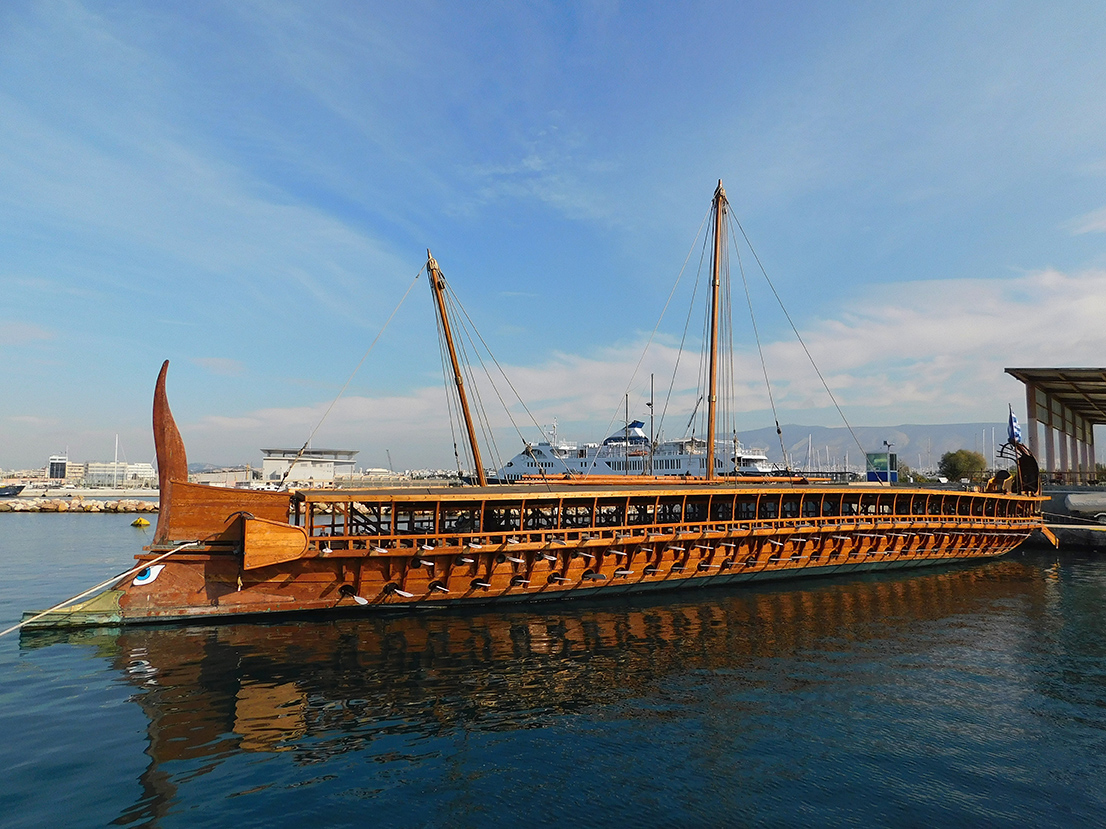
In the 5th century, ancient Greek ships were called Triremes, a name derived from Latin to mean three banks of rowers.
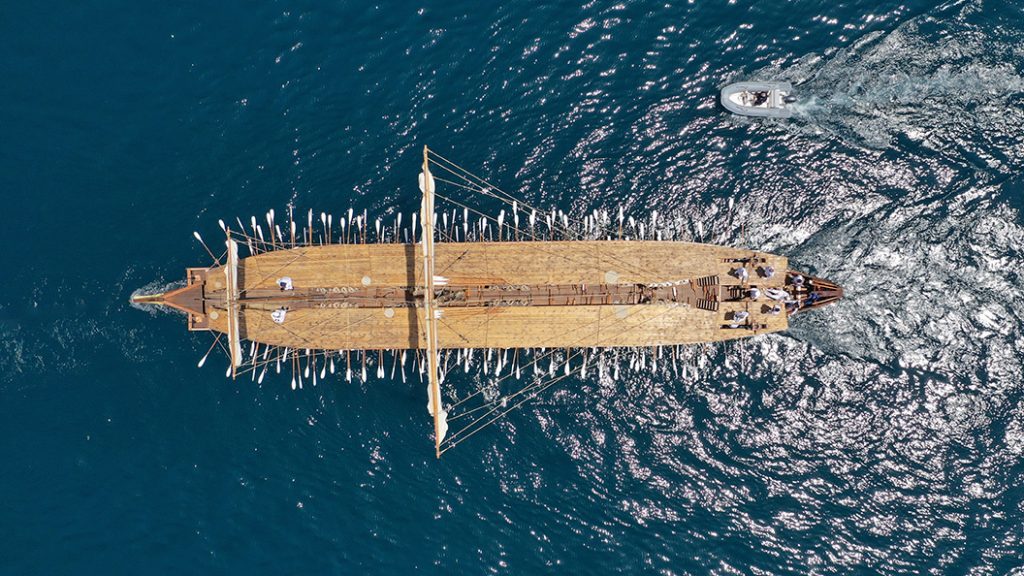
In simple terms, this means that on each side of the ship, under the gallery (deck), there were three tiers of oars running all the way along the ship.
Each person was in charge of one oar, and they rowed as instructed by the row master while facing the opposing way they travelled, which they couldn’t see anyway. The kind of very early stages of company culture in the workplace.
They’d be stacked alongside one another, all doing the same thing, listening to the orders from someone behind them.
It’s not a job the majority of us would sign up for, but it gets better… sorry, scrap that. I meant worse.
These ships were created to be fast, agile and for war-like purposes.
With a specially designed bow (front), they would ram enemy vessels, aiming to make holes in them before their 200-odd soldiers would jump off and lead a charge.
So yeah, lovely
Why the Triremes model fails culture
You no doubt guessed a few reasons why this model isn’t good from a cultural aspect.
- You can’t see where you’re going as you are based underneath the deck. For the individuals and the collective, it’ll feel like you were trapped without a lack of clarity on where you might end up. It’s a top-down structure.
- You’re shouted at and, I’m guessing, ordered to row faster. Being ordered to do something differs greatly from being empowered or wanting to do something, especially if you can’t see the person.
- You’re in a very, very stressful environment. Yes, this is extreme, but we can feel like we’re under attack and afraid to speak up in a top-down culture.
- You’re probably feeling like a cog in a wheel that could be easily replaced. I’ve read they were paid for the work, yet I wonder how much autonomy they felt they had and whether they felt valued as that rower.
There’s loads more but you get the idea. It’s not for me.
The 8-seater rowing team: a better organisational cultural model
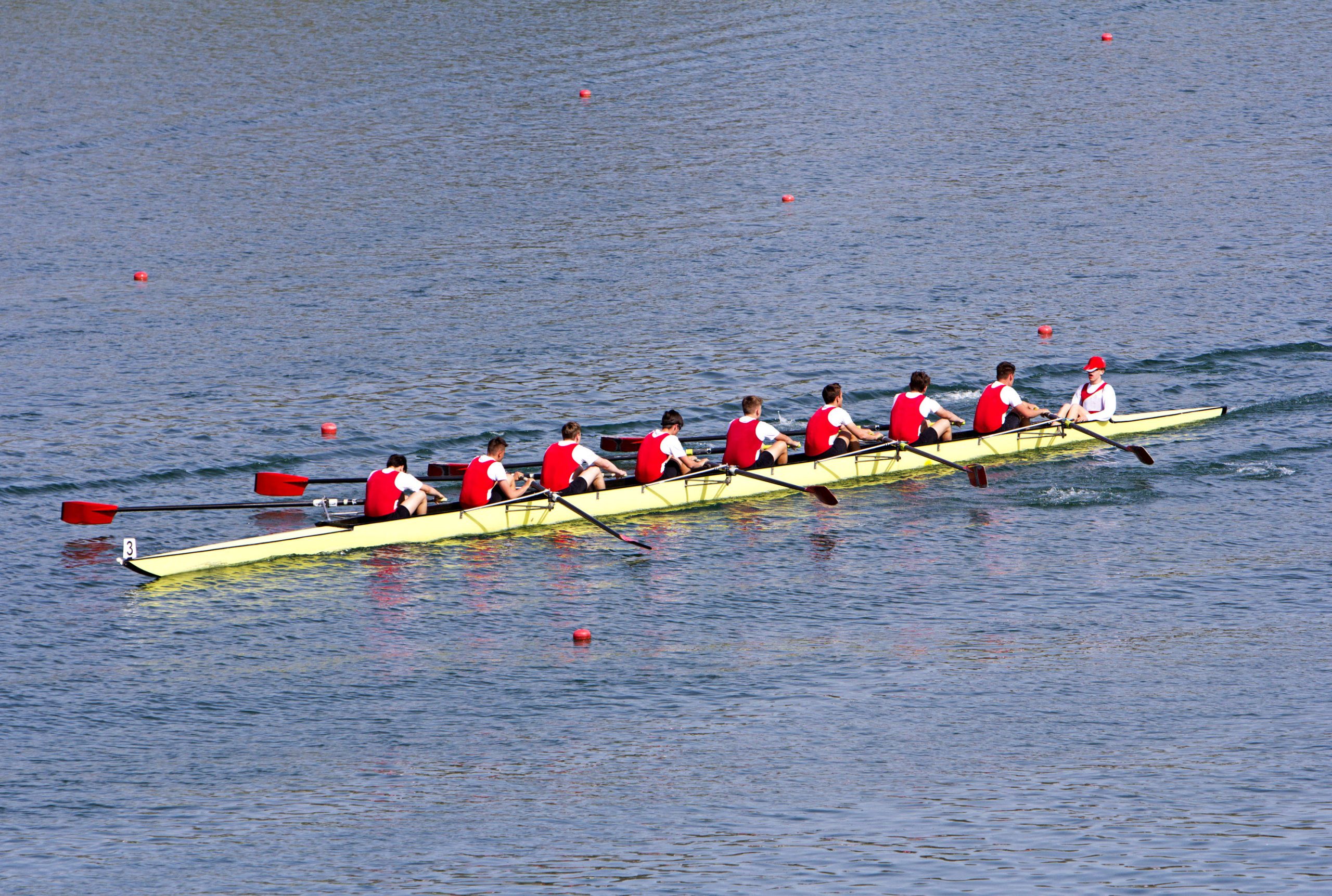
Now, take how an 8-seater rowing team works. I know it’s different, and there’s no war but bear with me as there are some similarities:
- The eight rowers aren’t facing the way they are going
- There’s someone at the front guiding them
- They all have an oar each
- They’re on water… in a boat… okay, that’s where it directly ends comparison.
Here’s how it differs. They all have a unique role they play:
- Let’s call them power people or the muscle if you like. These are the engines that can knuckle down and power through
- We’ll call these the balance as they maintain the boat’s balance. Obviously, it’s super important.
- These we’ll call the ‘rhythm is a dancer‘ (cue the 90s Snap! hit)…they help to keep the rowing rhythm, otherwise it would be out of sync and they’d go round and round.
- Now we have the new blood. They will lack experience but are eager to learn, grow, and thrive.
- Then finally, the guide, sage, Yoda or whatever. They guide, encourage and offer quicker ways forward.
So collectively, you have a unit that is working together for the greater good of the team to not only succeed but thrive in their areas of growth all led by someone who can see where they’re going and help if someone is struggling to encourage them.
Plus, if the rowers want to look in the direction they’re headed, they can simply turn their heads and see.
And if they feel they need to alter or change course as a team, they can.
I am in no way a sailor or rower. You can tell by my baby-soft hands.
But these principles work in business.
Building a strong team culture that starts from within
It’s not created top-down; in some instances, the founder might have created it, and the team follow these principles, but it needs to evolve and grow into something that is ownable and unique not…
- We are honest
- We are passionate
- We have integrity
- We are safe etc etc etc etc etc …. Yawn.
Hide your company name, and these values would work for most organisations – and to be honest, this is the basics we’d expect.
On no wait… I want to work with a company that is dishonest, lacks passion… you get the idea.
Instead, write it with passion and stand out. You don’t have to follow any rules; make your own.
Write a statement that aligns with your company, maybe five at most, and write a few words above or spell it out further to add clarity below it.
These can work as behaviours:
- You can use these internally to ensure you live and breathe.
- Even with appraisals, can you showcase how, why and when you have lived some values?
They can work in recruitment:
- within the adverts, mention these are our values and why it’s important, it might stop people applying that don’t align to these
- in the interviews to ensure you asked value-based questions and score these to ensure the right person joins your cause, business, empire or whatever
- during the onboarding around what the values mean to people and the difference it makes and how they can contribute
They can attract people to your organisation:
- by living and breathing these values will not only impact your customers lives, it will impact others around them as they’ll tell people. Word of mouth will grow as will your presence online and others like to join a cause that is aligned.
How leaders can improve workplace culture: A CEO’s perspective
I had a call earlier with a CEO about some culture work we’re looking at doing together.
It was an honest conversation about the lack of clarity, buy-in, etc. they are facing, and they’ve been in post for a number of years now.
Plus how the values are bigger that just words on a page. It’s everything we covered to ensure you all row in sync together while enjoying the breeze pushing you along,.
The CEO finished by saying… “I wonder if culture and values should be the first thing a CEO looks at when they join an organisation…”
Wow… and it’s a yes from me. What do you think?
Check out further resources and my approach here

Ready to explore your best route? Take the ten-minute culture quiz. Or book a call and let's have a wee chat on how to move forward together.