
Building brands that leave a legacy
Creating a brand that stands the test of time has never been easy. However, if you look at these legacy brands with history, they go beyond selling products or services. They create emotional connections, align with core values, and leave a lasting impact on society that we notice all through culture and strategy.
For any leaders in Scotland, in fact, anywhere, who care about their influence and growth, building a legacy brand isn’t just about profits; it’s about purpose, consistency, and doing something different.
First off, what makes a legacy brand successful?
We’ve already discussed how these brands resonate deeply with their audience while maintaining relevance over decades, which is impressive, yet they share several key characteristics:
- Core values that matter. I bang on about this, but here we have proof that these brands have clearly defined principles guiding their actions and decisions.
- Consistency. If you’re consistent in your messaging, it can increase your revenue by 23%… that’s a wow moment.
- Emotional Connection. It’s a no-brainer. We do business with or have relationships with people, things etc, that we build trust, and then that loyalty is enhanced through meaningful interactions.
- They don’t stand still: Yes, they’ll stay true to their roots, but they’ll adjust their strategy/goals, etc, to match the times they are in.
The power here is creating something that people love and want to talk about to each other. That creates advocates who do the selling for you as we listen to people we trust.

Here’s a few examples of legacy brands in the UK…
there’s loads more but I’m sticking closer to home.
John Lewis & Partners is famous beyond the phenomenal Christmas adverts, which showcase storytelling that tugs at our heartstrings while reinforcing its values of care and connection. For example, in 2022, they focussed on a new foster carer preparing to welcome their first child to their home. It tied back to their belief that when you raise everyone up and give them access to the same opportunities and living standards, society thrives, and so does business. Now add on top of that, its commitment to quality, customer service, and employee ownership, cultural alignment, you now have a brand leaving a lasting legacy. Boom.
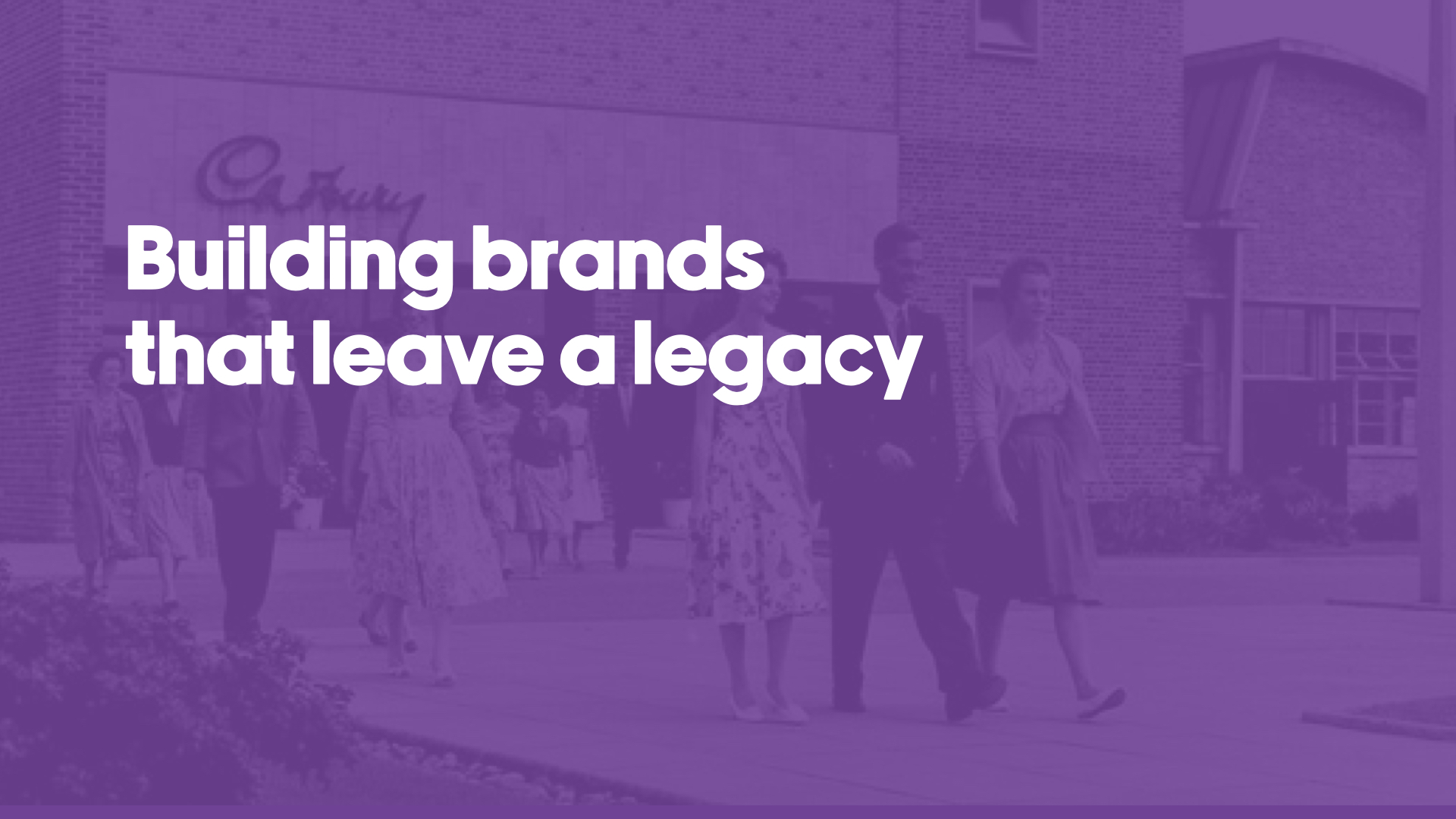
Cadbury’s. Okay, it’s a safe space here… I love Cadbury’s, I’m a bit of a chocoholic. It’s another quintessential British legacy brand. From growing up in the 80s to now, the iconic purple packaging, plus the quality of the sweets, makes this Birmingham-based brand one of the most recognised chocolate brands globally. It goes beyond the innovation of its products. Its famous “Gorilla” advert still makes me smile and showcases creativity that resonates across generations.
Why cultural alignment matters for legacy brands and leaders
For leaders who care about their impact, building a legacy brand aligns with long-term growth strategies:
Employee Engagement. A strong brand culture attracts top talent and motivates employees to embody the brand’s values. When you take it a step further and look at the EX (Employee Experience), you map out the experience and how you can offer the best possible ways to engage with teams well beyond box ticking.
Customer Loyalty. Emotional connections build trust and repeat business, ensuring sustained growth over time. It seems so simple but it is. I once heard that for every seven positive experiences, it takes one bad experience to wipe it all out.
Community Impact. Purpose-driven brands contribute positively to society, enhancing their reputation while making meaningful contributions. Why wouldn’t you want this?
As Simon Sinek famously said: “People don’t buy what you do; they buy why you do it.” This underscores the importance of purpose-led branding for leaders looking to make an enduring impact.
Strategies for building your brand legacy using culture and strategy
1. Define Your Purpose. Identify what your brand stands for beyond profits. Purpose-driven brands like John Lewis thrive by aligning their actions with their values.
2. Invest in Culture. Your employees are your most excellent ambassadors (I sound like Bill & Ted). An internal culture that mirrors your brand values ensures consistency at every touchpoint. Sometimes, it’s getting the right people onboard, the wrong people to get off a stop early. That’s culture and strategy mixed together.
3. Stay Consistent. We’ve touched upon this, but here’s another stat: Being consistent makes you four times more memorable than another brand.
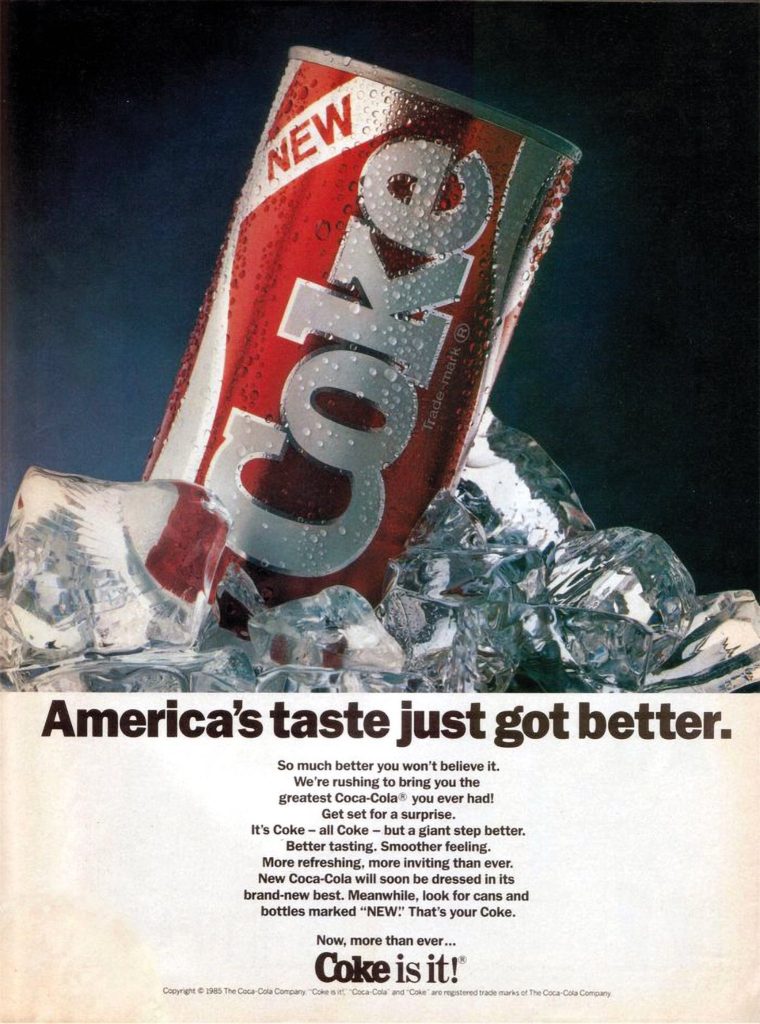
4. Innovate without losing identity. You can adapt to trends but stay true to your core values – like Cadbury, which continues to innovate while preserving its heritage. We’ve seen some big fails in the past, but probably nothing as bad as ‘New Coke’ back in 1985. I was just a young pup then but even to this day, it’s a great example of a dark day in a legacy brands history.
5. Create Emotional Connection. Use storytelling to connect with customers on a deeper level. Campaigns like John Lewis’ Christmas adverts demonstrate how stories can evoke powerful emotions. You don’t have to spend millions. Find a pain point, showcase how you solve and tell an emotional story to back it up.
Building a legacy brand requires vision, purpose, and consistency. Leaders have a unique opportunity to create brands that drive growth and leave lasting roots throughout society. You can transcend time and create something truly iconic by focusing on culture, innovation, and emotional connection, like John Lewis or Cadbury.
One thing not covered is that you need strong leadership throughout, but that’s for another post for another day. Although I’ll leave you with this…
Steve Jobs once said: “Innovation distinguishes between a leader and a follower.” The question is: Are you ready to lead your brand into the future?
Check out the leader’s guide to culture and strategy here

Ready to explore your best route? Take the ten-minute culture quiz. Or book a call and let's have a wee chat on how to move forward together.