
Without cultural alignment in the workplace, even the best strategy will fail
Let’s be honest, cultural alignment in the workplace isn’t just a fancy bit of jargon. It’s the backbone of any effective strategy. When your team’s values, behaviours, and beliefs are all pulling in the same direction as yours or the organisation’s vision, you get a level of fluidness that can’t be faked. That’s what fuels real ideas, resilience, and best of all, growth. Yet, too many leaders still treat culture as an after thought, instead of the engine that drives everything forward. One quote I read from Good to Great (Jim Collins) said, “get the right people on the bus and then you can go anywhere”.
Anyway, here’s the truth… if you want to build something that lasts, you need to make cultural alignment the heart of your strategic planning… Boom.
I know, it sounds way too simple and here, I’ll show you why it matters, how to make it happen, and how leaders like us can weave culture into every part of the business.

The link between cultural alignment and business
If you want to build a resilient, high-performing organisation, aligning culture with the business strategy is non-negotiable.
Too often, we craft bold plans but forget that we need the right people on board the bus who buy into them. If not, it’ll be like the wind-resistant you hit while trying to go forward. But the right cultural alignment in the workplace means your team’s values and behaviours are working for you, not against.
Think of your business strategy as the destination on a map, and culture as the road you travel. If the road’s full of potholes and dead ends, you’ll never get there smoothly.
When culture and strategy are out of sync, even the best plans stall (see my culture & strategy blog post). Teams resist change, communication breaks down, and progress stalls. I’ve even been part of that resistance back in my younger days. I didn’t understand the direction the company was going in with the way people were treated, and it started to just feel like a job (big sigh)
But, get your culture and strategy aligned, and suddenly everyone understands the “why,” feels empowered, and is motivated to deliver, support each other and dig in.
Take, for example, a company chasing innovation. If its culture rewards risk-taking and learning from mistakes, those new ideas will flourish. But if the culture punishes failure, folk will play it safe, and innovation will dry up. Values are used to help people, not used as a ruler for “YOU MUST BEHAVE AS PER OUR VALUE OF X!!” More of that in a second.
So, if you still think cultural alignment is just a nice-to-have, then good luck, go grab a coffee and enjoy your day. Otherwise, if you can see the value for real sustainable growth through stronger teams with better results then read on.
Values-driven organisation
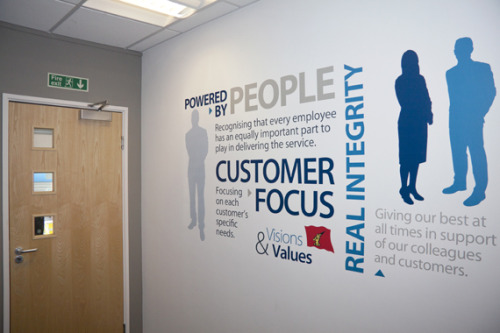
I remember having value posters and messages displayed in various locations where I worked. Yes, we saw them, but the problem was that it became wallpaper after while.
A values-driven organisation lives them, breathes them, and bakes them into every decision.
Of course, the cop out is that you could say it starts with leadership, but no, it’s everyone. From the person cleaning the office to financial decisions, ordering stock, welcoming people into the office, meeting customers, delivering goods, and the IT team… basically every corner of the business.
So, yes, leadership is essential, but so is understanding what we’re all aiming towards.
The numbers back this up. Gallup found that employees who feel their company shares their values are 3.7 times more likely to be engaged at work. That means increased productivity, innovation, and better employee retention. Yet, only 21% of US employees say they feel connected to their company culture.
The numbers in the UK are even more stark. According to Gallup’s latest research, only 10% of UK employees report feeling engaged or thriving at work, ranking the UK near the bottom in Europe for employee engagement. That means a whopping 90% of people are either quietly coasting or actively disengaged, costing UK businesses billions every year in lost productivity and turnover. With any massive gap, it offers a humongous opportunity.
High-performing teams don’t just talk about values; they show them every day. They hold each other accountable and unite around a shared purpose. This kind of alignment builds trust, collaboration, and a positive environment, especially during the not so rosy periods.
Here’s another stat… employees are 115% more engaged when their organisation has a clear set of values, and engagement jumps another 107% when those values are tied to specific behaviours. Companies that discuss their values daily see 37% higher engagement than those that only mention them once a year.
Right enough stats. But it’s not just about performance.
A values-driven culture supports well-being, reduces stress, and keeps people motivated for the long haul. When your team’s personal values align with your mission, they’re happier, more satisfied, and more likely to stay. Plus add value-driven questions into your job adverts, ask them at the interviews stage as it helps to triage (sorry scary word), basically it helps people to realise early that this place isn’t right for me and for others to say… hell yeah, this is for me.
In short, building a values-driven organisation isn’t just a smart thing to do… it’s essential for any leader who wants to create a thriving, future-ready workplace.
Leadership’s role in cultural alignment in the workplace
Okay I mentioned earlier it’s a cop out that it comes to the leader but they/you play a vital role. You’ll have heard things like, “Bless, it’s not going to work here”. Or you might have even said “How can I actually influence the cultural if my team digs in their heels?”
I’m sure millions more questions have popped up, and they are all fair, well, mostly. The answers, though, are more straightforward than you might think.
Let’s cover off the obvious. Leadership (you), set the tone. I know I said it was obvious. But if you want cultural alignment, you’ve got to walk the talk. I’ve seen how the disconnect between a board, leader and their big team was way out of sync, and the tone was off… everyone feels it.
When leaders consistently model the values and behaviours they expect, it sends a clear message that this is how things are done here. I have stats to back it up, but I said no more stats, so DM me if you want them.
Okay now for the classic worry about resistance.
Best way. Get them involved. When something comes top down and you’ve not been part of something you get frustrated. But, open up conversations about what cultural alignment means and how it ties into their goals. When people feel heard and see their ideas reflected in decisions, buy-in happens.
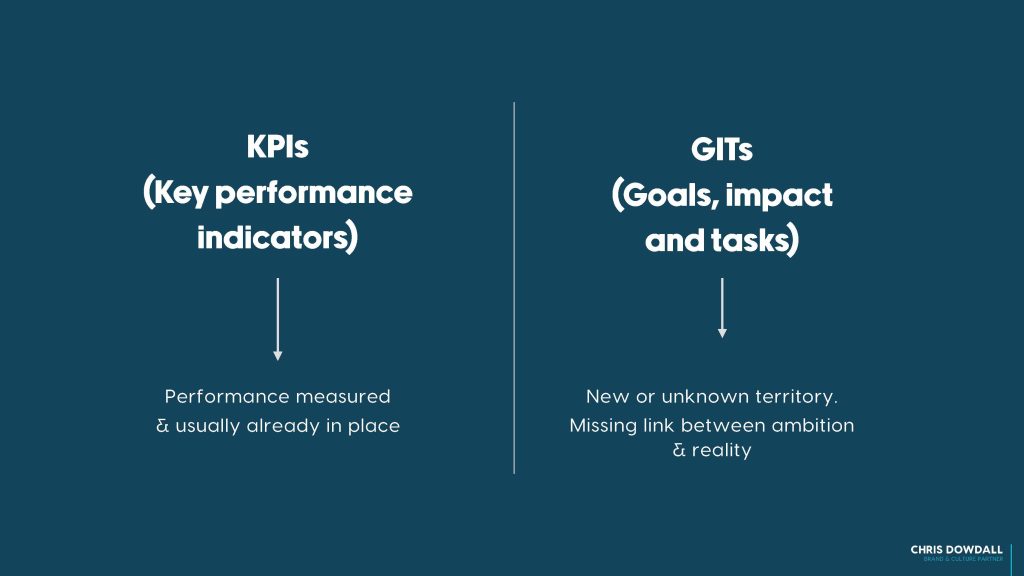
“How do I measure cultural alignment?” is another biggie. While culture can seem a bit woolly, you can track it. Start a yearly or 6-month company culture benchmarking survey. Run feedback sessions, and set some GITs (like KPIs, ask me for more), but set more goals to values-driven behaviours.
It’s not just about measuring it, acting on the feedback to show you do care, all can add a much higher retention rate plus team performance. (Trying not to add a stat in is so hard.)
Now it’s back to the basics. Keeping momentum is all about consistency and communication. Make cultural alignment part of your ongoing planning and daily meetings and constantly review it. Celebrate wins and tackle challenges head-on together.
Strategic planning for company culture
Bringing cultural goals into your strategic planning isn’t just a tick-box exercise, it’s how you future-proof your organisation. Strategic planning for company culture starts with knowing your core values and how they support your business. From there, set clear, measurable culture goals (GITs) alongside your financial targets (KPIs).
Start by defining what a thriving culture looks like for your team. Is it more collaboration, more innovation, or a stronger sense of belonging? Then set Goals (GITS) like boosting engagement scores, lowering turnover, or increasing cross-team projects. Give someone ownership of these goals, just as you would with any other priority. Ensure you measure the impact and the task, as all are distributed fairly.
Keep everyone in the loop. Share your cultural priorities openly, and make sure folk know how their day-to-day actions fit into the bigger picture. Use regular check-ins, surveys, and feedback to track progress as I mentioned. When leaders champion these efforts and celebrate wins, it shows that culture isn’t just talk, it’s a real strategic priority at the heart of a proud culture. .
By weaving culture into your strategic planning, you make sure shared values and a clear purpose underpin every initiative. That’s what drives performance and builds a resilient, values-driven organisation.
Turning alignment into action. A simple plan for leaders who care
Even the best strategy is pointless without action. Leaders are the ones who turn cultural alignment from a lofty idea into a daily reality.
Here’s a straightforward plan taken from Brand Story 2.0:
- Identify and clearly state your core values.
- Set specific, measurable cultural objectives.
- Involve your team in defining what success looks like.
- Check in regularly, review progress, and celebrate wins.
- Encourage open feedback and be ready to adapt.
Small, consistent actions matter. When leaders model the right behaviours, recognise alignment in others, and keep the conversation alive, cultural alignment becomes part of the fabric of your organisation. This ongoing commitment helps you avoid confusion, disengagement, and resistance, and instead, builds a workplace where everyone feels empowered to contribute.
Remember, strategic planning for company culture isn’t a one-off, it’s a journey, like being on a bus (see what I did there). With clarity, commitment, and adaptability, you’ll build a culture that not only supports your strategy but inspires your people to achieve more together. And who wouldn’t want to work in a place like that?

Conclusion
Here’s where there should be some witty summary, but you get it. You’ve read to the end.
You know it’s the “secret sauce” or the “winning formula” or any of the other silly things we tend to say.
Culturally aligned teams thrive. People want and do care about where they work and what they can achieve together. When you bring cultural goals into your strategic planning and turn alignment into action, your values become more than words. They become the force pushing you forward.
Now’s the time to take a good look at your own organisation’s culture. Are your values clear, lived, and part of your strategy? Start a conversation with your team about what true alignment could look like for you.
If you’re still unsure, take the BrandMetrics survey here on the website.
👉 Click here to start the quick survey
There, you can examine your organisation through the lenses of Direction, Culture, Personality, Positioning, Customer Service, and Leadership.
Finally, good luck and enjoy the journey.
FAQ: Cultural alignment in the workplace
What is cultural alignment in the workplace?
It’s about ensuring your team’s values, behaviours, and attitudes align with your organisation’s mission and culture. When alignment is strong, everyone’s pulling in the same direction, and the results speak for themselves.
Why is cultural alignment important for business success?
Think of if the team are not aligned and then that should make you worried. An aligned team boosts engagement, collaboration, retention, and strengthens your company’s identity. When everyone’s on the same page, you get better results and happier place to show up on a Monday morning.
How can leaders be role models for cultural alignment?
By modelling the right behaviours, communicating values clearly, and recognising actions that support the culture. Regular feedback and open conversations are key.
What are the common challenges in achieving cultural alignment?
Lack of clarity, resistance to change, and deep-rooted habits. Overcoming these takes commitment, transparency, and a focus on bringing people on the bus and offering others who want to get off, the chance to do so.
How do you measure cultural alignment?
Use engagement surveys, feedback sessions, and track behaviours that reflect your values. Regular check-ins help keep things on track..

Ready to explore your best route? Take the ten-minute culture quiz. Or book a call and let's have a wee chat on how to move forward together.