
Culture is bleeding your business faster than you think
Most leaders do not realise until it is too late that a toxic workplace culture is draining cash, energy and trust. By the time you notice, the best folk are already out the door. Culture Amp’s UK research showed one in four workers plan to quit in 2025. That is a quarter of your workforce walking, and replacing each one can cost £11,000 to £75,000.
But the real kicker is not the money. When folk trust their leaders, 94 percent commit to stay. When they do not, it collapses to 19 percent. That gap is leadership. That gap is culture.
Most leaders never see the truth about their culture until good people start leaving. That is why I built a 10-minute quiz that shows you faster than a year of surveys.
Why quick fixes do not fix a toxic workplace culture
The default response is posters on the wall, a motivational speaker or an away day. It buys silence for a wee while but the cracks come back.
The warning signs of a toxic work environment are clear:
- morale sinking through the floor
- unhealthy workplaces
- toxic behaviour ignored
- silence because people do not feel safe to speak up
Quick fixes fail because they never touch the roots. Leaders not aligned. Employees not feeling heard. Egos and silos win. Customers sense toxicity over time which is dangerous for the business.
You cannot improve company culture unless you deal with toxic behaviour and culture starts at the top. If leaders duck the hard work, nothing changes.
What actually works for CEOs
Culture shifts when leaders start listening. Surveys can help, but the survey results depend on what that person feels in that moment. Real conversations, or Wee blethers as I call them, are where people tell you what is actually going on. That is employee feedback worth having.
Then comes alignment. Senior leaders must stop pulling in different directions and stand behind a cause bigger than quarterly digits. Numbers do not inspire. A mission does.
Finally build some habits. Systems and rituals that show up in the daily grind.
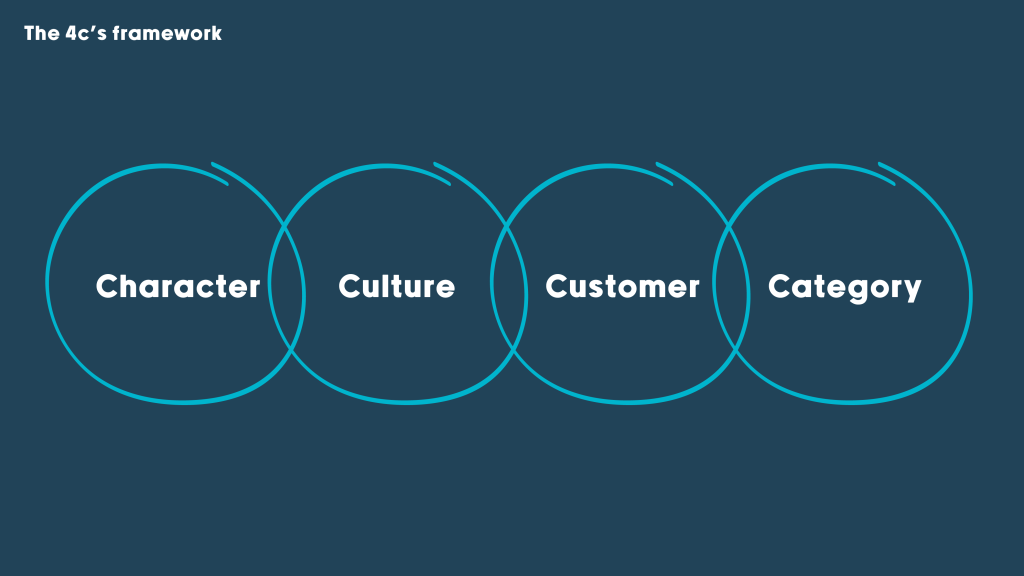
This is where the 4Cs matter. A brutal test:
- Character – are leaders showing who they really are
- Culture – are daily habits reinforcing what you claim
- Customer – do people connect their work to real impact
- Category – does your culture stand out or could it be anyone’s
It can be tough to answer all four, but cultural alignment makes a massive difference.
For a deeper dive into aligning leadership and culture, see my guide on cultural alignment.
Create moments people actually remember
Fixing culture is not only about plugging leaks. It is about fuelling pride.
Too often, teams smash a project and then dive into the next. No pause. No pride. Just pressure. Energy doesn’t transfer over… it fades away.
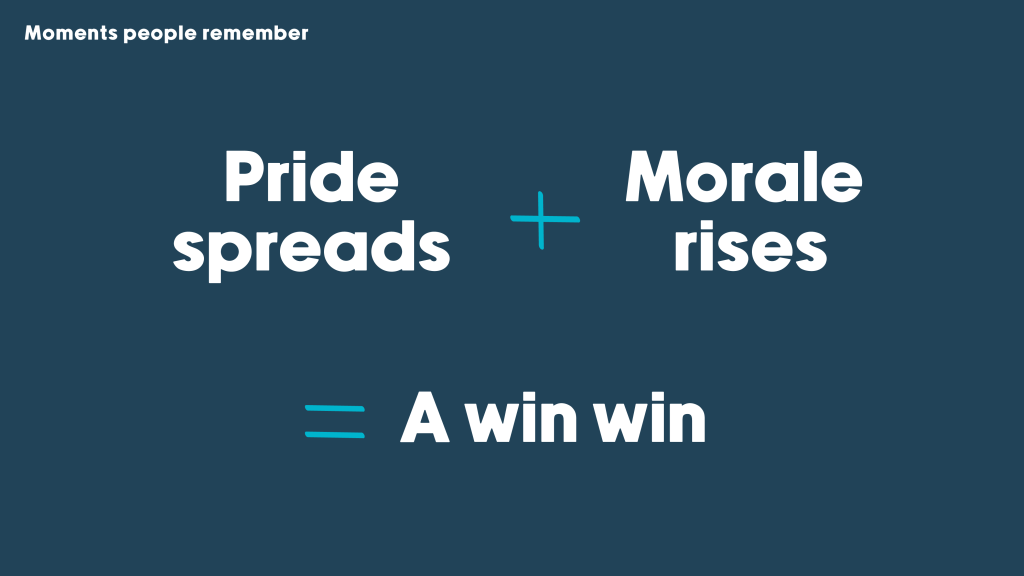
When leaders and everyone stop to celebrate even small wins, the mood shifts. You don’t feel pride, you feel disheartened. So year, pride spreads and morale rises, it’s a win win.
Positive culture is not built in a workshop. It is built at the start and end of the week. In small moments that make people proud to belong.
Why culture is a leadership priority right now
Work is shifting fast from flexible working changing to rising expectations and other economic pressures. People want more than a payslip.
Deloitte found employees with strong belonging perform 56 percent better and are half as likely to leave. McKinsey found 51 percent of resignations came down to lack of belonging.
Work traditions are just choices. The five day week only became standard because Henry Ford pushed for it. Truth is, culture drifts if you do not grab it. Either you design it with intent or you drift into toxicity.
Workplace toxicity damages physical and mental health as much as performance. A healthy workplace is now non-negotiable. In fact, it should have always been. Luckily now, we’re less afraid to stand up and say if something isn’t right.
Digits and numbers on a spreadsheet don’t inspire, well, at times they can, but only backed by a mission we all care about and believe in.
Making culture stick
When leaders listen, align and build habits, and when they create pride, culture stops being fragile. It becomes a growth engine.
The 4Cs keep you honest:
- Are leaders showing real Character
- Do behaviours match the Culture you claim
- Do people feel connected to the Customer
- Does your Category show up in the everyday
A healthy work environment is not about having no problems. It is about systems that prevent toxicity creeping back in. That means leadership accountability, toxic behaviour dealt with fast, and culture treated as a living system.
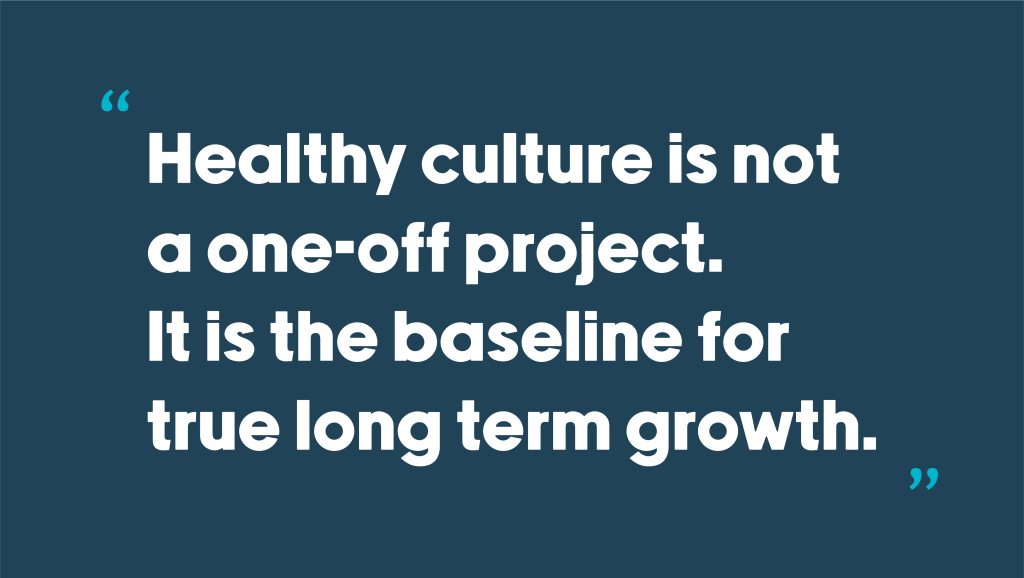
Healthy organisational culture is not a one off project. It is the foundation for fixing company culture problems before they become toxic.
Here are some simple FAQs leaders ask about toxic culture
What are the warning signs of a toxic workplace
Silence… the worst kind. When good people leave, yet bad behaviour is rewarded. Plus low employee engagement and collapsing morale are always BIG RED flags.
Can you fix a toxic culture without moving people on
Some behaviours can be coached, but you cannot fix a toxic workplace without addressing toxic behaviour head on. It’s hard but that’s where leadership plays a key role in knowing when and who isn’t pulling in the same direction and holding everything back.
How long does culture change take
I always say six months to start to see improvements, as at that point you’ll have done the legwork to figure out what’s not been working. Serious change takes time, and everyone needs to buy into it or they will move on.
Why does psychological safety matter so much
You want teams to speak up. For the next leaders to be comfortable expressing themselves. For anyone to bring ideas, challenge problems and drive performance. It is the clearest predictor of a high-performing workplace.
How do you stop toxicity creeping back
Embed values into systems. Address toxic behaviour quickly. Hold leaders accountable. Culture without intent drifts back.
Can you measure culture change
Yes. Track retention, engagement, performance, team scorecards and even customer feedback scores. These show if culture is improving or if toxicity is creeping back in.
What you can do next!
Quick fixes fade. Aligned leadership and culture last.
Take 10 minutes for the culture quiz. It might tell you more about your culture than a year of surveys.

Ready to explore your best route? Take the ten-minute culture quiz. Or book a call and let's have a wee chat on how to move forward together.