
You can feel it well before you can measure it
You know that heaviness in meetings when the good people keep quiet and jokes land flat, well mine anyway.
That’s a first sign that a culture is drifting. It might be slow, people still show up and do the work, but the spark, curiosity, or whatever adjective you think is right has gone. No one names it, so it’s the elephant in the room that we just work around until it becomes normal. That’s no good for anyone.
I wanted to explain how to bring that energy back, as my lastest blogs have been about spotting the culture drift plus lots more.
When culture becomes a shared belief
I sometimes joke that I was raised in a cult. Wait!! Don’t turn away or close the browser, the cult it turns out is being a Roman Catholic.
Like many people growing up, I didn’t think much about it at the time. It was a routine of being a Roman Catholic that I was born into. I knew when to stand up, sit down, kneel, sing, and then repeat. It was all ritual. But looking back, I realise that’s what culture is: a rhythm of shared behaviours and beliefs that shape how people belong.
See nothing bad really.
In fact, the words cult and culture both come from the Latin colere, meaning to cultivate/care for and, yes to worship as above.
That in itself is very cool, as we all want to be part of something.
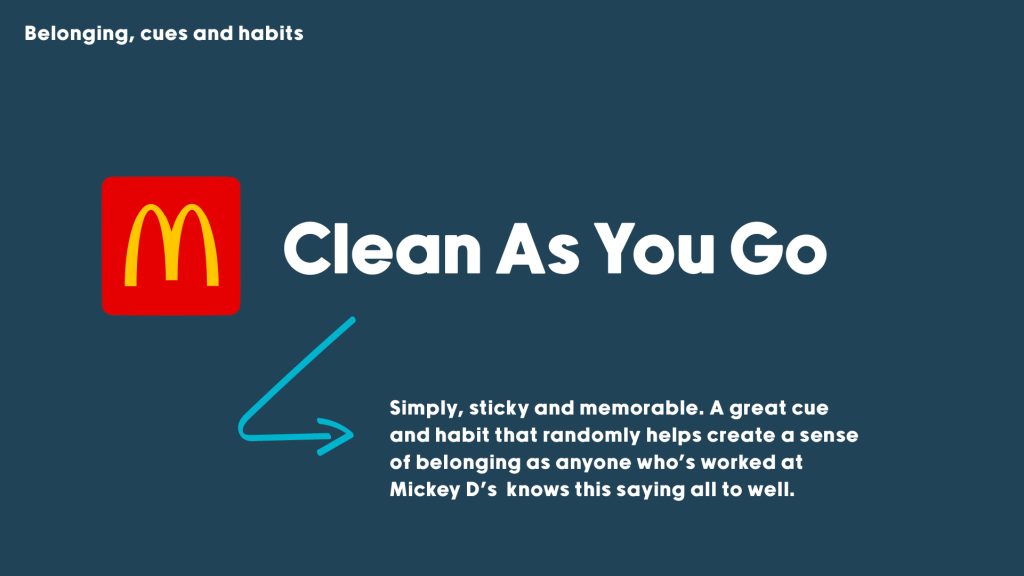
That belonging has followed me throughout my career, from my student shifts at McDonald’s (where “clean as you go” was drilled into me) to years inside agencies and large companies. Every workplace builds its own way of belonging, and I’ve seen that play out time and time again.
Some brands do it way better than most. Because I’m a proud Scot, Irn Bru and Walkers Shortbread are proof of that here in Scotland. Very different industries but with the same heartbeat of belief, pride, and a clear sense of who they are.
Irn Bru built a culture of humour and resilience that mirrors the nation, if you don’t believe me check out thei adverts. While Walkers Shortbread one built of craft, care, and continuity. Culture can last for generations when values stay true, as shown with these two legendary Scottish brands.
That’s what I love about company culture, it’s not theory, it’s the small rituals that add up to identity. The stuff we cultivate every day without even noticing but sometimes, it needs a wee nudge in the right direction to keep it moving.
What it really means to change a workplace culture
Culture is not a poster on the wall, it’s how people behave when no one is watching. It’s how decisions get made, how people treat each other, and how meetings feel, yes feel.
Changing culture isn’t about creating something new, it’s about realigning what’s already there with the values, habits and stories that make work feel alive.
Energy fades when trust drifts. People stop sharing ideas because the last few went nowhere, so they protect themselves instead of the work. Leaders need to act when this happens, not shout louder but listen better.
Why you might need to change organisational culture
There’s no single reason culture shifts. Sometimes, growth happens without grounding, and teams scale faster than values keep up. Leadership change brings a new tone at the top that disrupts what once felt safe. You get a strategy mismatch when the business wants speed but the systems reward caution. Or people are simply worn out by mixed signals and endless change.
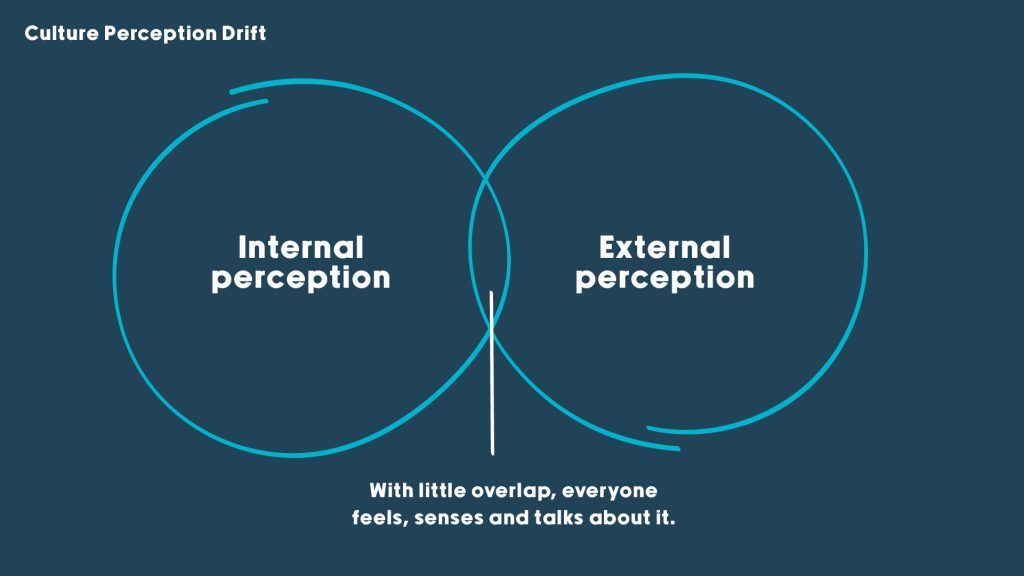
Culture starts to creak when what you say and what you do drift apart. The stories no longer match the daily experience. You can feel that gap, and so can your customers, which is a massive red flag. That perception is reality in their minds, and it can spread throughout your sector and industry.
That’s why Culture work matters because it’s performance insurance not HR fluff. When culture and leadership align everything else starts to move again.
How to change a work culture
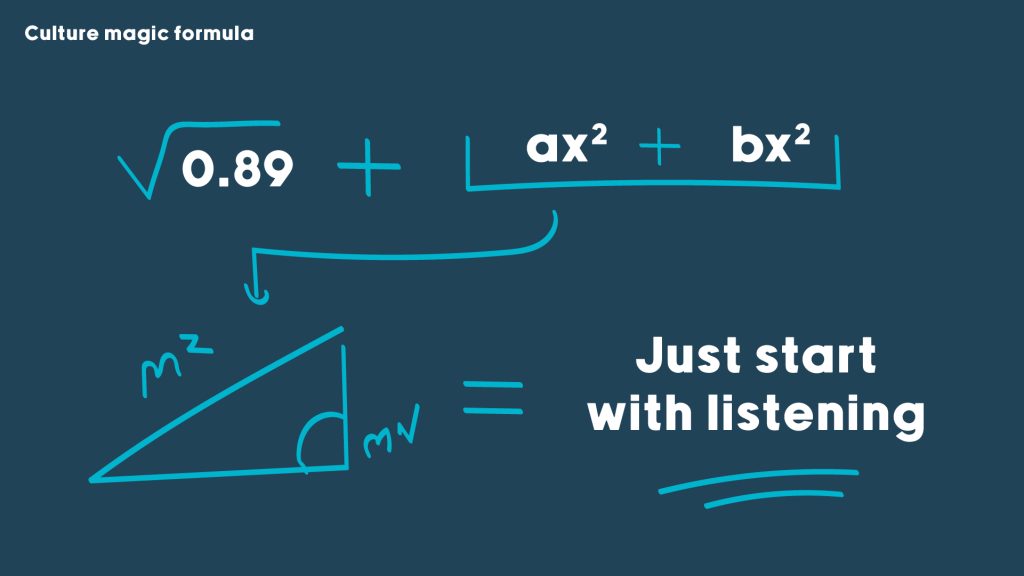
There’s no magic formula but there is a rhythm that works. Starts with listening and ends with leadership.
I learned this through different stages of my career. Marketing or creative teams that had lost their spark through senior leaders not protecting the team’s ideas or simply not caring about how people really felt, just how far they themselves might go. That leaves people lacking focus and direction, which builds up to a lot of frustration, and people leave.
You have to first off, just shut up and listen. I know for some that sounds out there, or even scary but ask questions and listen.
How are people feeling? What are their concerns, and how can everyone collectively work together to build trust back up? It’s not about coming up with a plan to say we’re now doing this based on this because we all agreed on it at the leadership meeting. No amount of vision statements will fix it. You need to rebuild safety first. It starts small with simple rules like every idea gets explored before it gets critiqued. Sounds simple, but when someone shares something new, it needs time to be stress-tested. Once done right, it will transform how people feel and share going forward… trust is back, and people start to contribute again properly.
Just doing the above taught me more about culture change than any book ever did.
Listen before you act
Don’t guess or assume (please never assume), instead ask. Treat just as a conversation as it is!
Get people talking about what’s really happening not what the slide deck says. Surveys help but stories tell the truth, you’ll hear where trust has cracked and what still gives folk pride.
Name what’s real
People won’t change what leaders won’t name. If politics or fear have crept in, say it. When silence breaks, the room starts to breathe again and you can feel it.
Reset habits and rituals
Culture lives in the small stuff. The Monday check-ins, one-on-ones, and the tone of an email. Change those, and energy follows. Create new habits that reinforce the kind of place you want to be.
Here are two tiny habits that have worked well:
- Every morning, I’d sit down with the creative team, copywriter and brand manager for 15-20 mins over a coffee (and croissant) to talk over how our previous day went, the good, bad and ugly bits. Plus, we’d chat over what we did the evening before to relax or have fun, and what the day ahead looked like.
It sounds so simple, but we were surrounded by many other business areas that came in, got their coat off, nod / say hello, and jump into work. By doing it our way, we checked in with one another, got to know one another, and because of that, looked out for each other more than any other area. - The other habit that works well is an After-Action Review (AAR), a short structured chat after a project or meeting that asks four questions: What was meant to happen? What actually happened? What went well? What could we do differently next time?
It takes ten minutes, strips out emotion, and builds a rhythm of improvement without blame. Over time, those honest little conversations reshape how teams talk about progress and problems. These two habits follow a pattern, making it all human, real-led conversations.
Align systems and rewards
If your systems reward the wrong behaviour nothing will stick. Recognition, feedback and promotion need to reflect your stated values. People follow what gets rewarded, not what gets written. It donesn’t have to be the best team award, it can be leave early or we’ll get you the coffees or anything else. It needs to be relevant and stick.
Lead with consistency
Leaders set the weather. Every word, every reaction, every silence counts. You want people to speak up? Show it’s safe to do so. Do you value curiosity? Stop punishing mistakes. Trust gets built in moments.
How to change a negative work culture
Repairing a negative culture takes care before courage.
Start with psychological safety. People need to feel safe before they’ll be honest. Small listening circles work well, informal chats over coffee where people can speak freely (like above).
Don’t jump straight to vision or values until people believe change is real. Start by fixing what’s broken: unfair systems, poor communication, toxic habits… name it and action it. Make early progress visible so people can see change not just hear about it.
Negative culture turns when people start to trust again, that’s your moment to build new rituals. Small acts that prove things are different this time.
Why change organisational culture
Because everything depends on it. It’s is that simple.
Culture is the invisible structure of performance. Shapes speed, creativity and resilience. Ignore it and even the best strategy will stall.
The organisations that thrive long term are the ones that cultivate their culture not just manage it. Treat it like a garden… prune, water and notice what grows. Also see what weeds (habits) keep returning so you know what to tackle.
Companies like Irn Bru and Walkers Shortbread didn’t build loyal followings by chasing trends, they cultivated trust, pride and belonging over generations. That’s what every leader should aim for, a culture we all want to be part of and proud to carry forward.
How long it takes and how to know it’s working
Real change takes time. It will take 12 to 24 months before it feels natural again, but you’ll see small signs long before that.
People start laughing again, and meetings feel lighter. Ideas that used to stay hidden surface, and turnover slows. That’s progress, not in a dashboard but in the room.
Key takeaways
Culture change starts with listening, not just slogans, posters, or another mission statement. Trust is the first signal of progress. Systems must reward the behaviours you want to keep. Leadership consistency builds belief. Real transformation gets measured in faces before figures.
Changing workplace culture FAQ
- How do you change a work culture?
Listen deeply and name what’s real. Reset habits (watch out for weeds). Align systems and lead with consistency. - How do you change a negative work culture?
Start with safety, then build trust and fix what’s broken before you dream big. - Why change organisational culture?
Because culture shapes everything. Performance, retention, reputation and growth. - How long does culture change take?
Honestly… 12 to 24 months to embed, but the first shifts show much sooner as people open up and share what’s holding them and everyone else back. - How do you know it’s working?
When people talk again, laugh again and good ideas start to surface.
Ready to begin
If the energy in your workplace feels off, start small. Take five minutes to see where trust and alignment stand. Try the Culture and Leadership Quiz or let’s have a wee chat about what needs to change first.

Ready to explore your best route? Take the ten-minute culture quiz. Or book a call and let's have a wee chat on how to move forward together.