
And what happens when culture is built from the inside out
Not Another Tick-Box Exercise
This wasn’t another wellbeing day you stick in the calendar to prove you’ve done something.
It wasn’t a tick-box, it wasn’t an HR exercise and it definitely wasn’t corporate wallpaper.
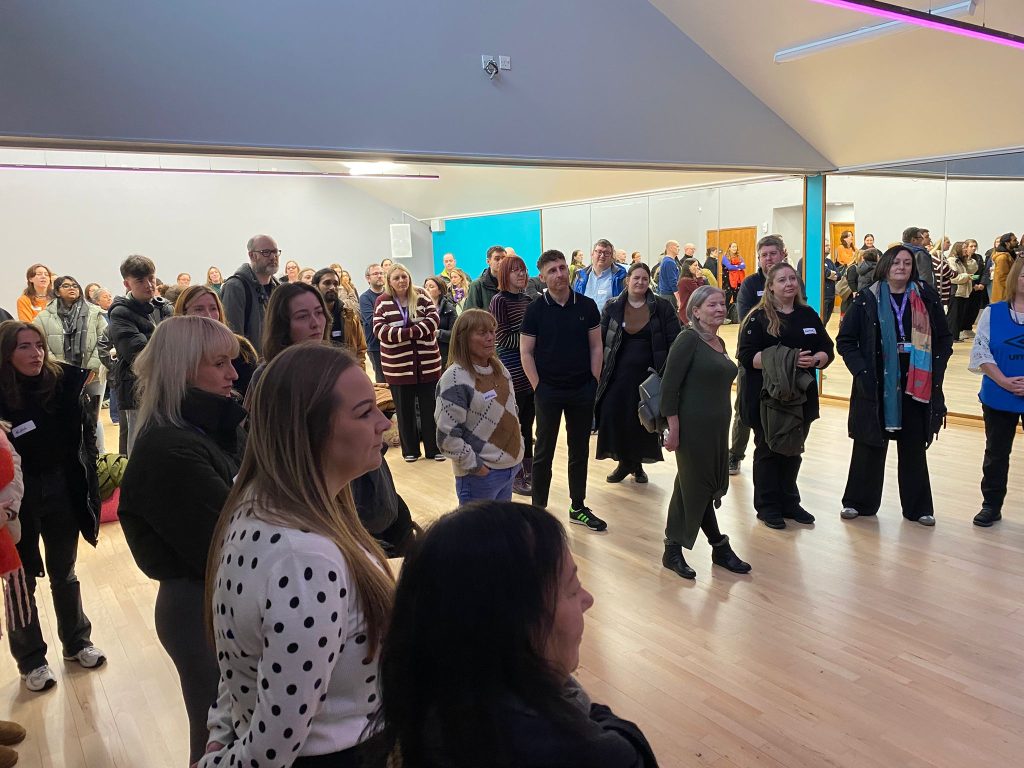
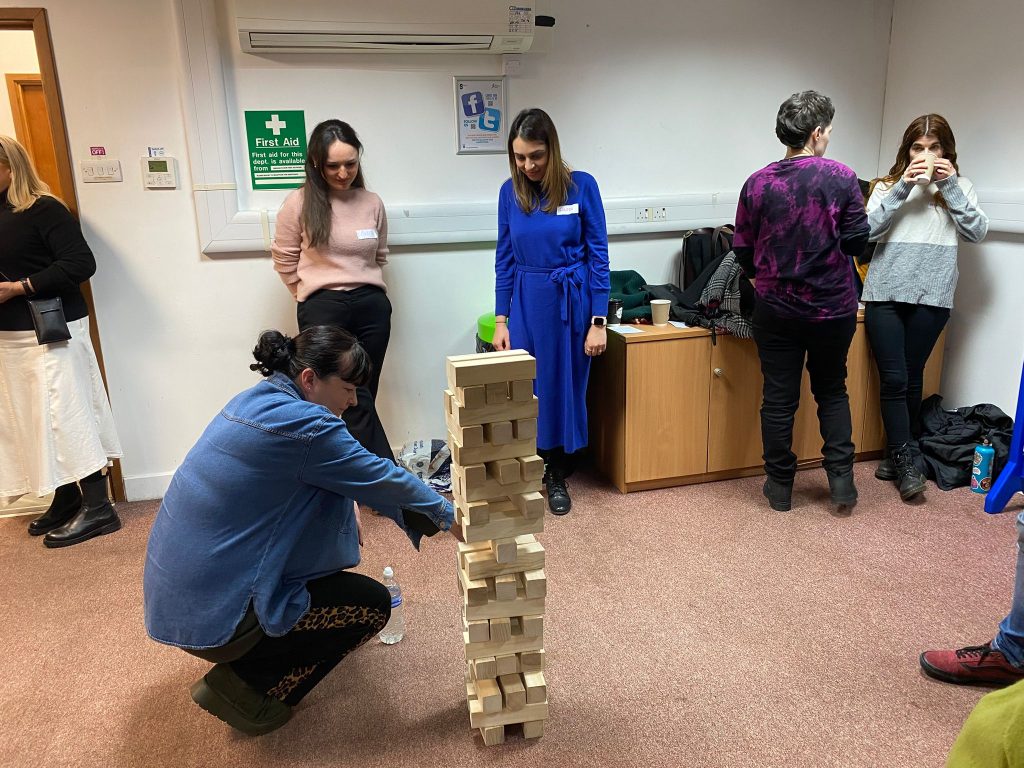
On Tuesday the culture champions at Lifelink ran a wellbeing day for over 80 colleagues and they absolutely smashed it.
But not because it was flashy.
Because it was theirs.
They designed it, they ran it and they owned it.
That’s when you know culture work has landed.
A quiet bit of honesty
I’ll be honest, there were moments where I wondered if we’d stretched people too far.
These champion roles are voluntary, day jobs don’t pause, life doesn’t pause and when pressure hits sometimes people have to step back.
That’s not failure, that’s reality.
What stayed with me was this, when one person stepped back another quietly stepped forward with no drama, no big announcement, just ownership.
That’s culture working in real life.
Five months of proper graft
This didn’t appear overnight.
For the last five months the champions checked out venues, debated food options, asked colleagues what they actually wanted and kept coming back to one question:
“Does this feel like us?”
The planning wasn’t neat.
There were notes everywhere, Google Docs, SharePoint folders, half-finished ideas, quotes flying about and email threads that went on far too long.
Some folk think best in Excel, I’m not one of them if I’m honest but that’s kind of the point.
You don’t restrict how ideas show up just because one format feels comfortable, you let people work in the way they work best.
Silent discos, scavenger hunts, therapy dogs, even llamas were all floated, some good ideas and some mad ones.
But the champions brought it back to what mattered, what was achievable and what felt right.
Because this was their wellbeing day too.
We ensured we linked in with all the teams asking questions and sending out surveys around the activities people really wanted, the brief was simple, create a festival approach where people have a loose structure but feel they can connect and pick what to do.
The final mix was simple and human:
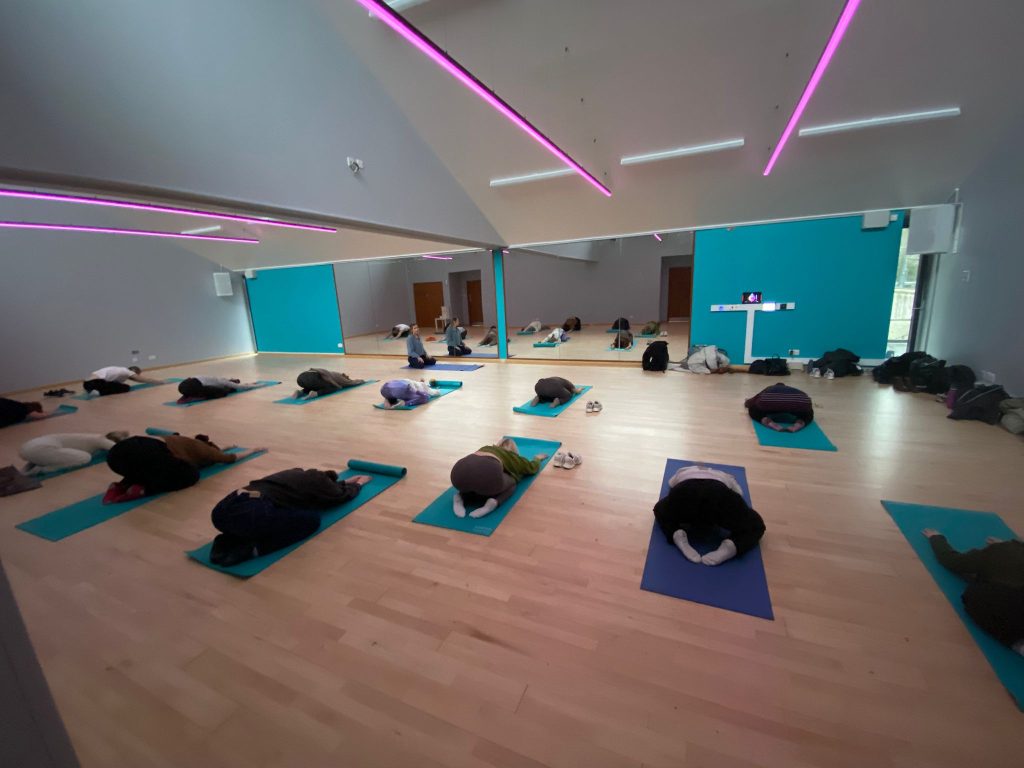
- Two separate yoga and breathwork sessions to give people choice of timing
- Three Reiki group sessions
- Health MOTs
- Walk and talks
- Table games
- A big quiz
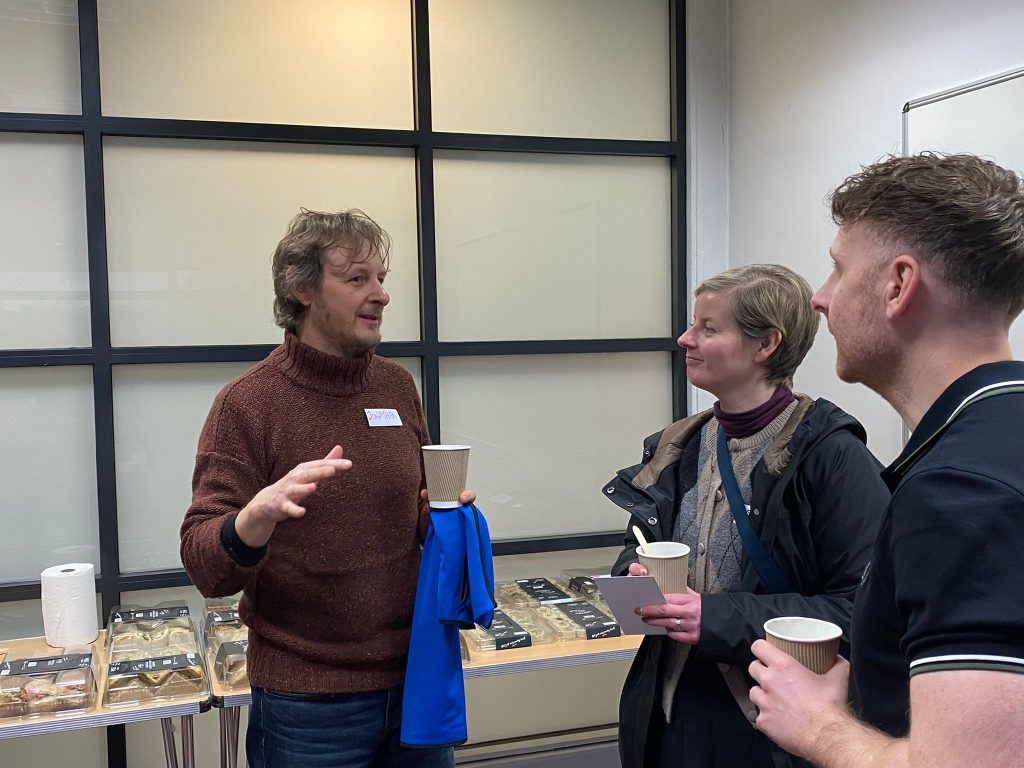
- And plenty of space for a proper blether over coffee
No gimmicks, no overengineering, just space to breathe and connect.
Which strangely is the hardest thing for organisations to allow.
This is what progress actually looks like
Six months ago we launched these culture champions at Lifelink’s summer all-staff day.
Blue skies, big energy and plenty of optimism.
Tuesday was icy Scottish January, dark by 4pm and the kind of weather that makes you want to stay under the covers.
And still over 80 people showed up.
Not because HR told them to.
Because something had been created that felt worth showing up for.
That doesn’t happen by accident.
A leadership moment worth naming
There’s a leadership moment people don’t talk about enough.
Knowing when to step forward and knowing when to step back.
As the event got closer and the pressure rose we pulled together, I stepped in with a few suggestions around venues and ways things could complement each other, not to take over but just to help things click.
And maybe that’s the value of an external voice.
I don’t carry the day-to-day office weight so I can step back, see the patterns and offer a few ideas that help everyone pull together again.
That only works when trust is already there.
What this reminded me of
Watching the champions run this day brought a few truths back into sharp focus.
Culture doesn’t live in slide decks.
It’s not built in boardrooms and it’s not written on posters stuck to the wall.
Culture lives in experiences, in how people feel on an ordinary Tuesday and in moments like this.
Most wellbeing days fail because they’re designed by people who won’t be there.
This one worked because the champions had skin in the game.
Trust mattered more than polish
The champions didn’t need everything to be perfect, they needed permission to try, space to lead and trust that leadership would back them.
And they got it.
Here’s the thing, they’re not event organisers.
They’re youth counsellors, adult counsellors, team managers, marketing folk and project coordinators, the mix is wonderful.
But they got it and they cared.
The team even produced reflection cards for everyone, prompts to note who they connected with, what colour they’d be and what they were looking forward to in 2026.
A soft but gentle nudge around mental health, nothing heavy, just thoughtful.
That’s the kind of detail you only get when people care.
What people said
“It was a great afternoon to connect and have a well needed giggle with colleagues! A fab start to 2026. Well done to the Culture Champions.”
“What a thoughtful way to return to work. Having the opportunity to connect with others is always highly valuable. The organization of the day was excellent, and participating in holistic therapies such as Reiki, breath work, yoga, and engaging activities provided a wonderful opportunity for self-reflection and renewal.”
“Thanks a million to our Culture Champions and everyone involved in the organisation of this brilliant event yesterday! I thoroughly enjoyed everything about it and it was so good to meet new people and catch up with everyone else too! The choice of activities was brilliant, something for everyone, had great fun and was feeling lovely and relaxed after the therapeutic classes.”
What the CEO said
“From keeping everyone on track to calmly wrangling all the moving parts (and people!), your (Chris) behind-the-scenes effort made a huge difference. The day ran brilliantly, and that was very much thanks to your organisation, patience, and good humour. We genuinely couldn’t have pulled it off without you.”
— Jacqui Taylor, CEO, Lifelink
That’s the kind of feedback that matters.
Not because it validates the work, though it does, but because it shows leadership recognising what happened behind the scenes.
What we’d do differently next time
The champions are already reflecting on what worked and what they’d change.
Book people into specific sessions rather than open attendance, have a speech ready to kick things off properly, arrive earlier to handle any last-minute stress and give colleagues and leadership more time to review things.
Small things but that’s the point, they’re learning, they’re improving and they’re owning it.
Culture takes time. That’s where the joy is
Days like Tuesday are months in the making.
Venue visits, planning sessions, budget conversations, schedules, changes and replans.
But when the internal reality of your culture starts to line up with what you say you stand for externally something shifts.
People stop rolling their eyes, they stop disengaging and they start believing.
That’s when culture stops being a project and starts becoming the glue.
The folk who made it happen
Huge thanks to the culture champions who made this day what it was, whether they were involved from the start or joined along the way:
denise hughes Tom Woods Amy Livingstone Roseanne Collins, Jacqueline McCoo Angela McCreadie Clare McRobbie Sarah Anderson Jamie Kelly Jonathan, Paul Blackwood
(Apologies if I’ve missed anyone.)
These folk didn’t just organise an event, they created an experience that reflected who Lifelink is.
Final thought
Culture isn’t fixed in workshops, it’s fixed in moments like this.
And if that sounds unglamorous good, that’s usually where the real work lives.
If your organisation is trying to build culture from the inside out here’s what Lifelink reinforced for me:
Start with champions, not mandates
Let things be messy before they’re meaningful
Give it time, this work runs in months and years not days
Tuesday reminded me why I do this work.
Not to roll out frameworks or corporate language but to help organisations trust their people enough to lead the change themselves.
Because when that happens culture stops being something you talk about in strategy meetings.
It becomes something people feel when they walk in on a Tuesday morning.
And that’s when you know it’s working.
Check out my other blog around ‘Changing a workplace culture and how to turn the energy back on.’

Ready to explore your best route? Take the ten-minute culture quiz. Or book a call and let's have a wee chat on how to move forward together.