
I was at my son’s primary 6 sports day yesterday. It was the usual stuff, Egg (potato now) and spoon races, sack races, long jump, etc but it was a chat with one of his friends’ mums that surprised me.
I asked how her new job was going as She’d been out of work for eleven years raising kids and was anxious about going full-time again.
She’d left the first role after just a short period of time.
It came down to one core thing: her boss didn’t really listen. The company was big and layered and her manager was new to the role and couldn’t help but micromanage.
When she had to travel abroad on weekends, there was no time back. For someone coming back to work after over a decade managing their own diary, a little flexibility and compassion go a long way. She felt like a cog in a big system instead of a person.
So she found somewhere smaller, somewhere that focused on the human.
That hit me because I’ve seen this pattern my whole career.
Early on, I worked with solid strategies and good people. But the leadership sadly wasn’t strong enough to carry it. People felt the gap between what was said and what was believed. It was subtle at first, but as the gap grew, it became an undercurrent, and people stopped trusting the leadership.
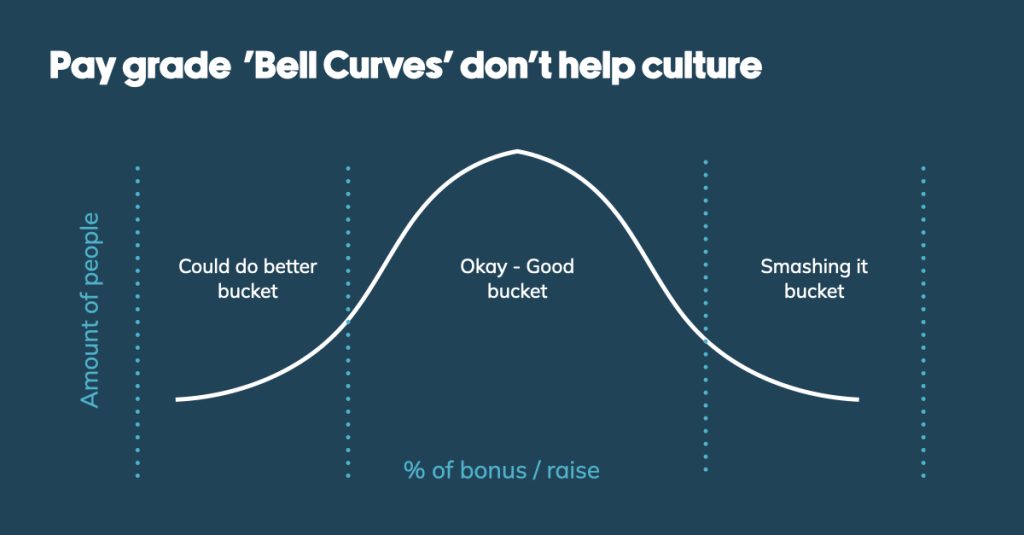
Then I moved into a bigger organisation. At times, it was same problem, just larger in scale. Too many layers with lots of mid-managers who were struggling. You’d speak up and by the time the message got to the top, or came back down, it was lost. From pay grades bell curves that force people into buckets to doing more and getting less back. People struggled to buy in because they felt like a cog at times and the bell curve should that.
Most leaders think communication is about being understood.
The best leaders know it’s about understanding first.
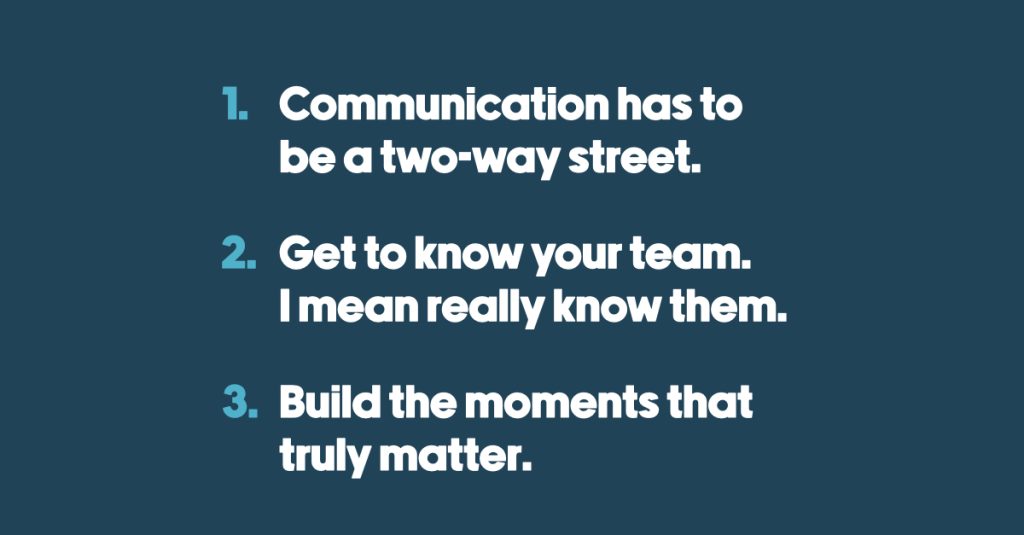
I’ve been thinking about this for years. And it always comes back to three things.
One: Communication has to be a two-way street.
Not you talking at people. You actually listening and actually hearing what people are saying underneath what they’re saying. I have kids and they can spot the second I’m not fully listening.
Two: Get to know your team.
I mean really know them, not just their job title, beyond it. In one place, we mapped how different people wanted to work. Some wanted energy and collaboration, while others wanted space and quiet. Once we understood those differences, we stopped trying to make everyone the same.
Relationships take time, months and years. But years down the line, you’re still chatting. Still connected and that’s what holds culture together. Not meetings and not emails, get up and talk to one another.
Three: Build moments that matter.
Leaders don’t see the impact of the small stuff. One leader sat down with me and said, “Write what you want your job description to be, then let’s talk them over.” It might have been a leadership trick but it worked. It showed me my impact mattered and that I could influence my role. That’s where culture lives, not in the PowerPoint or slide decks.
And then there’s AI. We spend so much time automating communication, feedback and updates. Yet the thing people need most hasn’t changed. Someone who genuinely listens. Our partner, friends or kids.
So here’s what actually works:
- Stop optimising culture.
- Stop sending better emails.
- Stop clarifying the strategy again.
- Start with your people and really talk to them.
- Listen more than you speak and get to know them.
- Show up for the moments that matter.
- And then show them the vision but show them how and why you’re all getting there together.
That’s it.

Ready to explore your best route? Take the ten-minute culture quiz. Or book a call and let's have a wee chat on how to move forward together.